
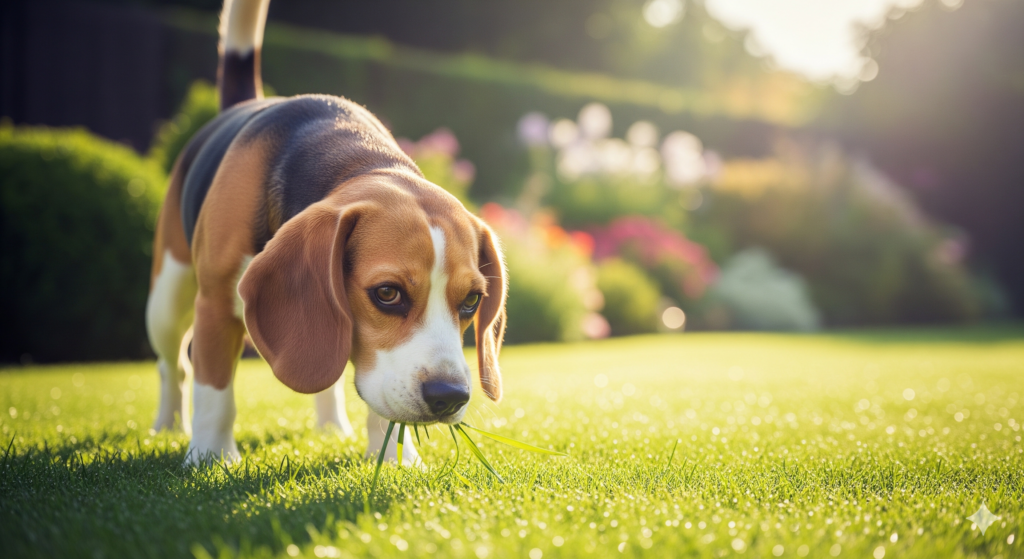
Every pet parent wants to know: Why Do Dogs Eat Grass? While we usually know our fur baby’s favorite flavor—whether they go crazy for chicken or live for beef—most of the time, our dogs are all about that protein!
It’s a bit of a head-scratcher, isn’t it? We invest in premium kibble, pick out the organic treats, and then—out of nowhere—we look over and find our “gourmet chef” acting like a little cow, grazing peacefully in the backyard. The first reaction is always: “Wait, is my dog sick? Am I not feeding them enough?”
I’ve been there myself, watching my dog, Bella, munching away like she’s at an all-you-can-eat salad bar! If you’ve seen this too, don’t worry—you’re definitely not alone. In fact, it’s one of the most common questions veterinarians get. While it’s usually normal, there are a few things every dog owner should know to keep their pup safe.
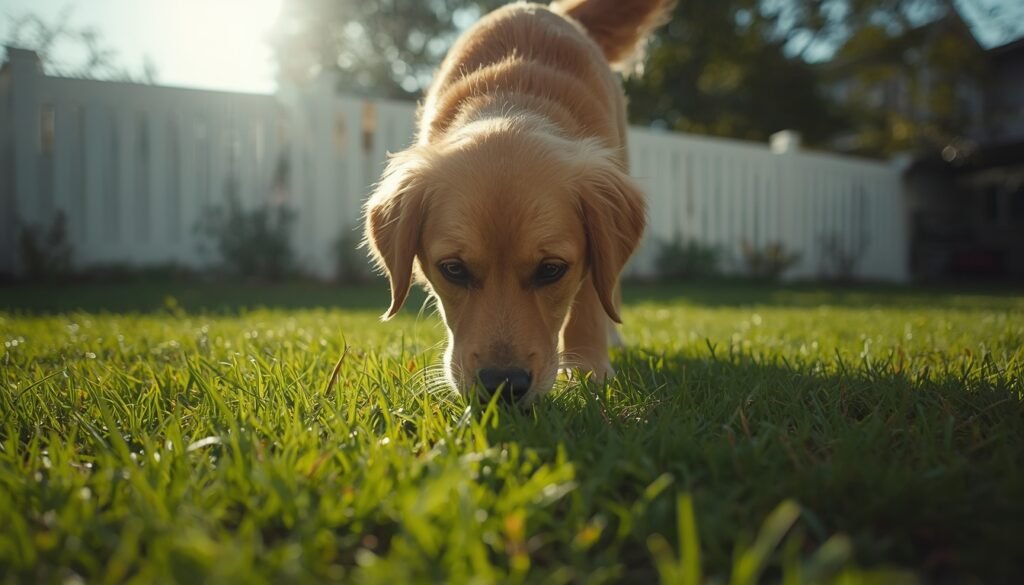
Why Do Dogs Eat Grass? Is It Normal?
The short answer is yes. According to several studies, including research from UC Davis, grass-eating is a common behavior in both domestic dogs and their wild ancestors.
Most dogs graze occasionally and stay perfectly healthy. It isn’t always a sign of a stomach ache or a nutritional deficiency. Sometimes, it’s just a “dog thing.” However, as pet parents, we need to distinguish between “casual grazing” and “obsessive eating.”
5 Fascinating Reasons Why Do Dogs Eat Grass
1. The “Wild Ancestor” Instinct
Long before dogs had colorful bowls and kibble, their ancestors (wolves and wild dogs) hunted prey. When they ate smaller animals, they often consumed the stomach contents, which included plant matter. Eating grass today might simply be a biological “hard-wiring” left over from their days in the wild.
2. Boredom or Lack of Stimulation
If your dog is spending a lot of time in the yard alone, they might start eating grass just to have something to do. It’s a form of oral stimulation.
Pro-Tip: If you think your dog is bored, try redirecting that energy with interactive toys. I personally love using Lick Mats. Spreading some dog-safe peanut butter or wet food on a mat keeps them focused and relaxes their mind.
👉 Check out this durable, top-rated Lick Mat on Amazon to help with your dog’s anxiety.
3. Natural Digestive Aid (The “Fiber” Factor)
When looking closely at why do dogs eat grass, it often comes down to roughage. If a dog’s diet is a bit low in fiber, they might instinctively seek out grass to help move things along in their digestive tract. It helps them go to the bathroom more regularly.
Affiliate Suggestion: If you feel your dog’s digestion needs a boost, a high-quality probiotic is a game-changer. Purina FortiFlora is a favorite among vets for a reason.
👉 You can support your dog’s gut health with Purina FortiFlora Nutritional Supplement on Amazon.
4. Relieving an Upset Stomach
You’ve probably seen it: your dog eats grass frantically and then vomits. While only about 25% of dogs actually throw up after eating grass, those who do are often trying to relieve gas or bloating. The long, ticklish blades of grass tickle the throat and stomach lining to trigger the gag reflex.
5. They Simply Love the Taste
Believe it or not, some dogs are just “foodies.” They might enjoy the cool, crisp texture of morning grass or the sweet taste of certain types of weeds (like crabgrass).
The Hidden Dangers: What You Need to Watch Out For
While the act of eating grass is safe, the environment might not be. This is where we, as responsible pet parents, need to be careful.
1. Lawn Chemicals (Pesticides & Herbicides)
In the US, many neighbors treat their lawns with chemicals to keep them green and weed-free. These can be highly toxic to dogs.
- Warning: If a lawn looks “too perfect” or you see small flags indicating a recent chemical treatment, keep your dog away!
2. Intestinal Parasites
Public parks and shared grassy areas are often hotspots for parasites like hookworms or roundworms, which are passed through the stool of other animals. Always ensure your dog is up to date on their heartworm and parasite prevention.
3. Toxic Plants
Not everything green is safe. Some common backyard plants (like Azaleas, Lilies, or Sago Palms) are extremely poisonous. Make sure your “backyard cow” is only munching on plain grass.
A Safer Solution: The “Indoor Garden”
If you live in an apartment or are worried about neighborhood chemicals, why not grow your own safe grass? A Pet Grass Growing Kit allows you to grow organic wheatgrass indoors. It’s 100% safe, chemical-free, and provides fresh antioxidants.
- 👉Get your complete Organic Pet Grass Growing Kit on Amazon here, which includes a beautiful ceramic planter and everything you need to grow fresh, chemical-free greens.
When Should You Call the Vet? 🚩
While occasional grazing is fine, contact your vet if you notice:
- Obsessive eating: They won’t stop even when you call them.
- Frequent vomiting: Throwing up more than just occasionally.
- Weight loss or lethargy: If they seem tired or aren’t eating their regular food.
- Diarrhea: Especially if you see blood or a change in consistency.
Related Reading: Why Is My Dog Whining? 7 Real Reasons
Final Thoughts
At the end of the day, being a pet parent is all about paying attention to these little quirks. Most of the time, when wondering Why Do Dogs Eat Grass, your pup is just being a pup. But by providing the right nutrients and a safe environment, you can let them “graze” with peace of mind.
Does your dog have a favorite “spot” for snacking in the yard? Or maybe a funny “cow moment” to share? Let’s chat in the comments below! 👇🐾

Andrea Frota is the creator of Dog In Focus, a blog dedicated to helping dog owners better understand dog behavior, training, health, and everyday care. Through carefully researched articles and practical guidance, Andrea shares helpful information to support responsible and confident dog ownership.