Before we dive in, a quick dog-mom disclaimer: This post contains affiliate links. If you purchase through them, I may earn a small commission at no extra cost to you. It helps keep Bella’s bowl full of her favorite treats! 🐶💖
If you are noticing dog separation anxiety getting worse and you’re reading this at 2am with your phone propped against a pillow, replaying the footage from your pet cam (whether it’s an interactive treat-tossing camera or a reliable no-subscription monitor) of your dog pacing by the front door… I see you. I’ve been you.
When Bella was younger, there was a stretch where her mild whimper at the sound of my keys turned into full-blown panic — drooling, scratching at the door frame, the whole heartbreaking scene. Nothing about our life had changed. Or so I thought.
So if you’ve noticed dog separation anxiety getting worse lately and you can’t figure out why, here’s the truth: something did change. It’s just probably not the thing you’re looking for. 💛
What’s in this guide:
1. You Went Back to the Office (Even Part-Time)
This is the big one right now, and honestly, almost nobody is talking about it. So many of us brought a puppy home, or leaned into a pandemic-era pup, during years of working from home. Your dog never had to learn how to be alone — because they never really were.
Now companies are calling everyone back in, even just two or three days a week. Your dog’s entire nervous system is relearning something it never had to know in the first place. This isn’t your dog “being dramatic.” It’s a dog whose whole sense of safety was built around you being ten feet away.
The fix isn’t guilt — it’s rebuilding the skill of being alone, slowly, in tiny steps, the same way you’d teach any new behavior.
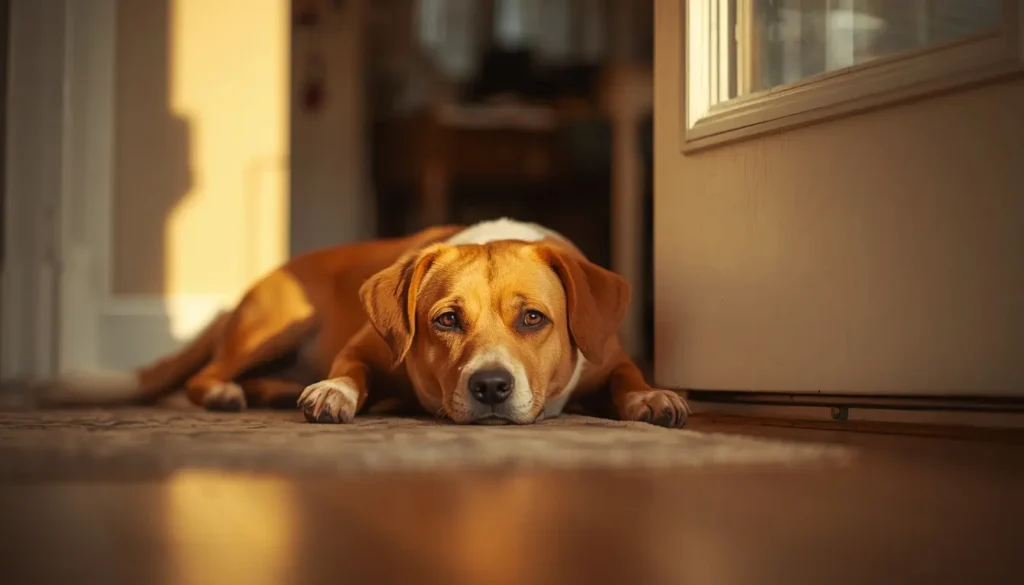
2. A Small Routine Shift You Didn’t Even Notice
Dogs read routine the way we read a clock. A shifted work schedule, a new alarm time, skipping the usual morning walk because you’re running late — tiny to you, seismic to them.
Separation anxiety often isn’t triggered by one big event. It’s triggered by predictability disappearing.
3. A Recent Trip or Boarding Stay
Even a wonderful vacation can leave an anxious echo behind. Some dogs come home from boarding, a pet sitter’s house, or a stay with grandma hyper-vigilant about you disappearing again — because, from their point of view, you already did once.
4. A Change in the Household
A new baby, a partner moving out (or in), an older kid leaving for college, even a housemate’s schedule flipping — anything that changes who’s home and when can unsettle a dog who was quietly relying on that rhythm. Honestly, this is a very common, yet overlooked, reason for dog separation anxiety getting worse.
5. Age and Health Changes
Separation anxiety can appear — or suddenly intensify — in senior dogs due to hearing or vision loss, cognitive decline, or joint pain that makes them feel more vulnerable when alone. If you are dealing with dog separation anxiety getting worse in an older pup, a vet visit should be your first step, not your last resort, as recommended by experts at the ASPCA.
If your dog is older and this is new, a vet visit should be your first step, not your last resort.
6. They Learned That Panic Works
This one’s hard to hear, but I say it with so much love: if barking, howling, or scratching at the door has ever gotten you to rush back in, your dog may have learned that panic brings you back faster.
It’s not manipulation. It’s just cause and effect, from their side of the door.
So What Do You Actually Do About Dog Separation Anxiety Getting Worse?
Here’s where I want to give you a hug and a hand at the same time. The goal isn’t to erase your dog’s stress overnight — it’s to help their nervous system relearn that alone time is safe.
- Shrink the goodbye. Long, emotional departures actually spike anxiety. A calm, boring exit teaches your dog that leaving isn’t a big event.
- Practice “fake” departures. Grab your keys, put on your shoes, step outside for 10 seconds, then come back in like it’s nothing. Repeat often, at random times.
- Build alone-time in tiny doses. If your dog can only handle 2 minutes alone right now, start there. Not 20. Two. Then stretch it slowly.
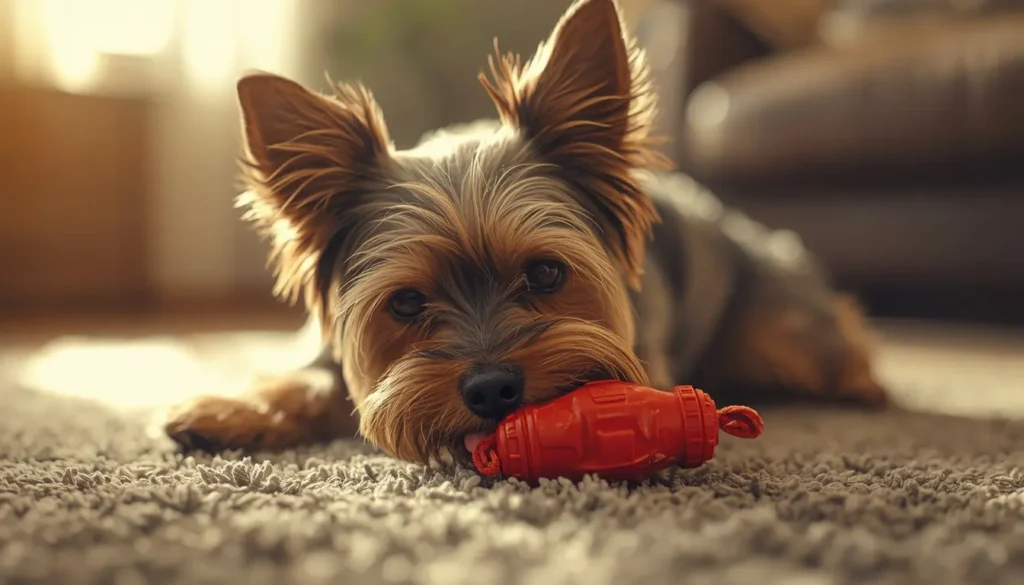
- Give them a job while you’re gone. A classic stuffed Kong, a snuffle mat, or a puzzle feeder gives their brain something to do besides watch the door. Sniffing and licking naturally lower a dog’s heart rate!
Talk to your vet if it’s severe. For dogs who are truly panicking — not just whining, but harming themselves or the house — anti-anxiety support isn’t a failure on your part. It’s a tool, and a kind one.
Calming Distractions That Actually Work
If your pup needs a gentle distraction to help with the transition, you don’t need a hundred toys — just the right ones.
For our super-smart little thinkers who need a real challenge, an interactive game like the Outward Hound puzzle toy gives their busy brains a heavy workout. If you just need a soothing activity, a snuffle mat mimics natural foraging. And when it comes to frozen treats, you can never go wrong with a classic KONG toy — though if you absolutely hate cleaning up the sticky peanut butter mess, the WOOF Pupsicle is a brilliant, mess-free lifesaver for small dogs.
Looking for more help? Check out our other separation anxiety resources:
- Dog Separation Anxiety Signs: 7 Clear Warnings
- Dog Separation Anxiety: Why It Happens and How to Help
- Best Dog Crate for Separation Anxiety
- Best Calming Treats for Dogs
Frequently Asked Questions
Can separation anxiety in dogs get worse over time? Yes. Without gentle retraining, dogs often become more sensitized, not less — especially if their routine keeps confirming the pattern of you leaving and them panicking.
Is it my fault my dog’s separation anxiety got worse? No. Life changes — work, moves, travel, a new baby — are normal. Your dog just needs help adjusting, the same way any of us do with change.
How long does it take to help a dog with worsening separation anxiety? Every dog is different, but most pet parents see real progress within 2–6 weeks of consistent, gentle practice departures.
You’re Not Failing Your Dog
If your dog’s separation anxiety has gotten worse lately, please don’t spiral into guilt. You didn’t do anything wrong by working from home, by loving your dog close, by giving them a soft life. You just have to help them build a new skill for a new season.
Bella still gets a little wobbly lip when I grab my car keys. But these days, she also knows — deep in her fuzzy little bones — that I always, always come back. That’s the whole secret. Not perfection. Just consistency, and time. 🐾

Andrea Frota is the creator of Dog In Focus, a blog dedicated to helping dog owners better understand dog behavior, training, health, and everyday care. Through carefully researched articles and practical guidance, Andrea shares helpful information to support responsible and confident dog ownership.