If your furry friend gets overly distressed whenever you grab your keys, you might be looking for common dog separation anxiety signs. It’s a heartbreaking condition, but recognizing the warnings early is the first step toward helping your pup feel safe.
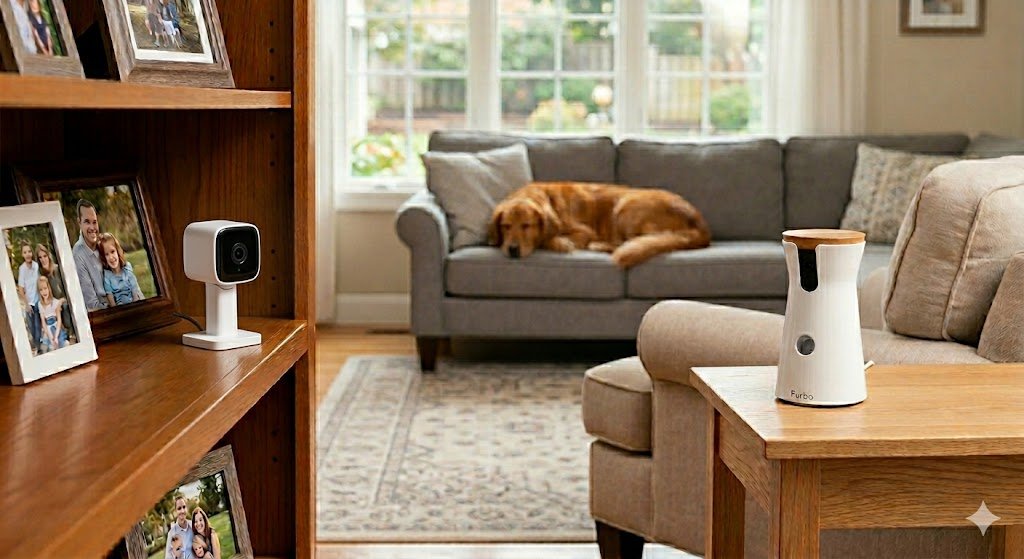
The Best Way to Spot Dog Separation Anxiety Signs Remotely
Before diving into the behavioral flags, the absolute best way to know what your fur baby does when you’re gone is by using a pet camera.
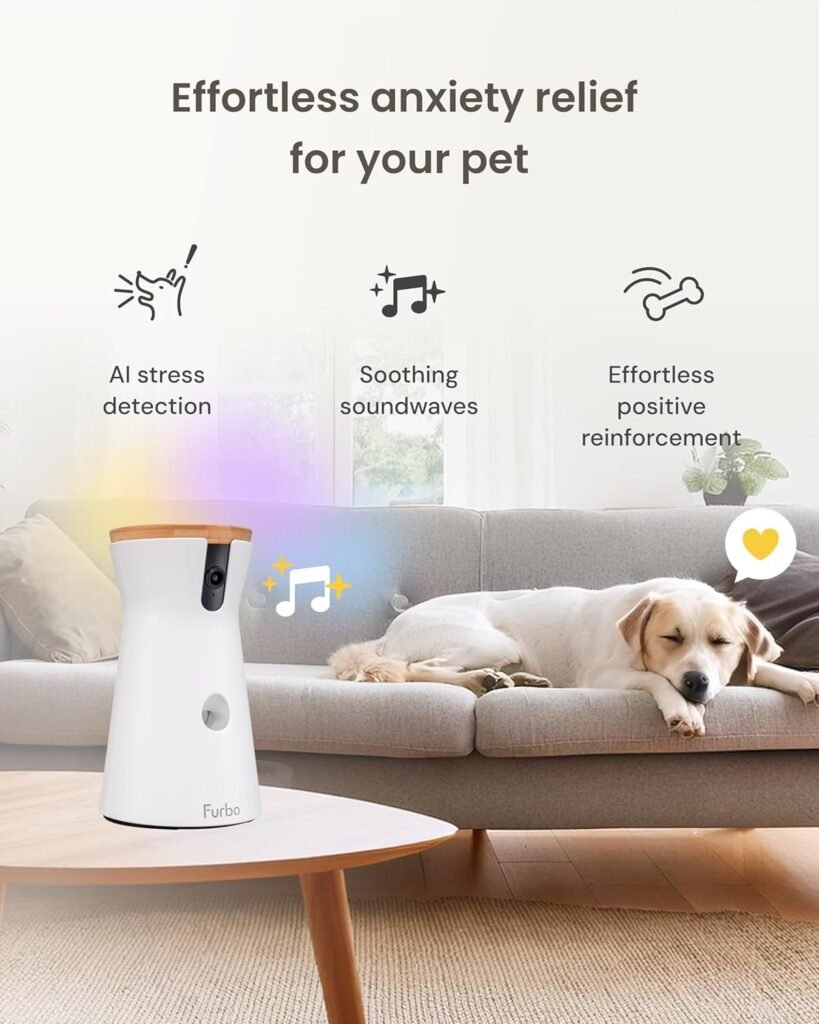
If you want the absolute best luxury experience, top dog parents consistently choose the Furbo Mini 360° 2K Pet Camera on Amazon. This gorgeous camera lets you see your pup in crystal-clear quality, pans around the room, and even lets you toss treats from your phone to distract them when they start to whine! It’s the ultimate peace of mind for under $100.
However, if you are looking for a highly reliable and budget-friendly alternative without extra fees, the TP-Link Tapo 1080p Dog Camera on Amazon is an absolute best-seller. It features motion detection and two-way audio so you can check on your pup anytime, and you can grab it for under $20.
1. Non-Stop Barking and Whining When You Leave
We all know that classic, heartbreaking whimper the second the front door closes. But if your pup turns into a full-time siren—barking, howling, or whining for hours on end—it’s one of the most common dog separation anxiety signs you will notice. They aren’t trying to annoy the neighbors; they are genuinely panicked because their favorite person is gone, making this behavior one of the clearest dog separation anxiety signs of distress.
2. Destructive Chewing (Especially Around Doors and Windows)
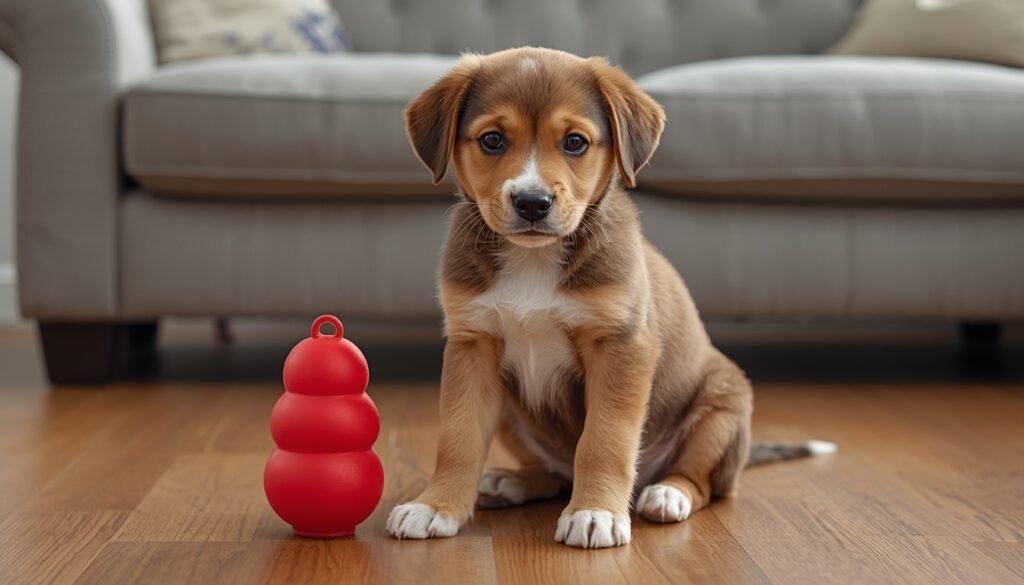
Have you ever come home to a chewed-up door frame or shredded blinds? When anxiety hits, dogs look for an outlet for all that nervous energy, or they try to literally dig their way out to find you. To redirect this stress and save your furniture, puzzle toys are an absolute lifesaver.
We always recommend giving them a KONG Classic Dog Toy on Amazon stuffed with frozen peanut butter right as you walk out the door. It keeps their minds busy and creates a positive association with you leaving.
3. Indoor Accidents (Even for Fully House-Trained Pups)
If your usually perfect dog suddenly starts having accidents inside only when you’re away, don’t scold them. This isn’t revenge! Just like humans get a nervous stomach when stressed, an anxious pup loses control of their bladder or bowels out of pure fright. This is one of the toughest dog separation anxiety signs for owners to deal with, but remember, it’s completely involuntary.
4. Pacing, Panting, and Drooling Excessively
If you notice your dog starts heavy panting, drooling, or pacing back and forth in front of the door before you even leave, they are experiencing a full-on panic attack. It’s a very physical response to stress, much like we feel when we are incredibly overwhelmed.
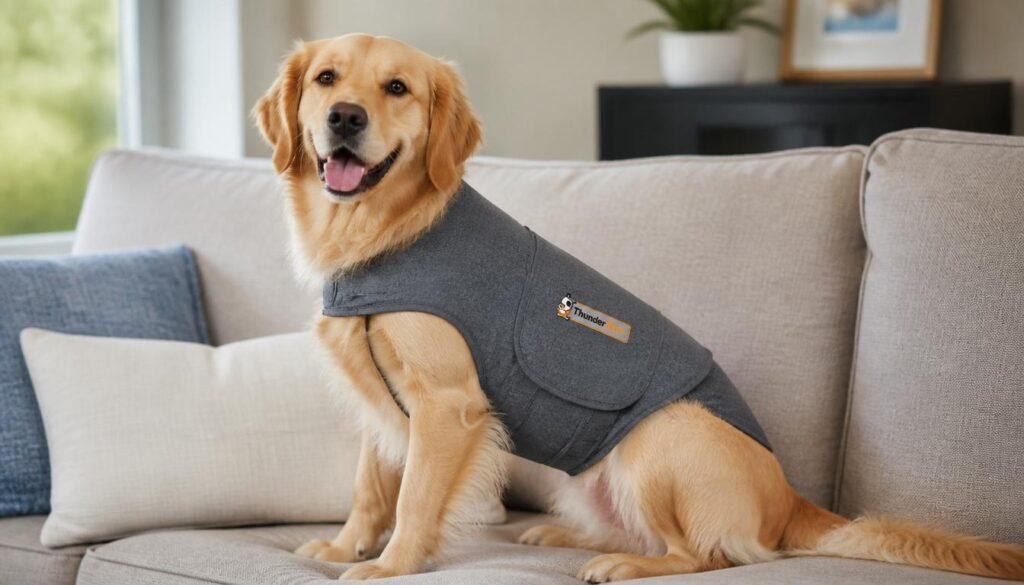
To help soothe this deep panic, many pet parents swear by a gentle compression wrap. The Thundershirt Anxiety Jacket on Amazon applies a soft, constant pressure—very much like a comforting, continuous hug that helps lower their heart rate naturally. It is a fantastic drug-free option to help them feel secure, and you can grab this lifesaver for under $40.
5. Shadowing Your Every Move (The Velcro Dog)
Does your pup follow you into the bathroom, the kitchen, and watch your every step like a tiny, furry bodyguard? While we absolutely love the affection, this extreme “velcro” behavior is often a prelude to distress. If they can’t let you out of their sight for a single second while you’re home, handling your complete absence becomes twice as hard for them.
6. Shaking and Hiding As You Get Ready
Our fur babies are brilliant at reading our daily routines. They know exactly what it means when we put on our shoes, grab our keys, or pick up a jacket. If your pup starts shaking, dropping their tail, or hiding under the bed during your morning routine, they are anticipating the loneliness and suffering in advance.
7. Refusing to Eat or Touch Their Treats
Leaving a delicious chew or a bowl of food behind only to find it completely untouched when you return is a major red flag. A relaxed dog will happily snack. An anxious dog’s nervous system goes into fight-or-flight mode, shutting down their appetite completely until they feel safe in your arms again.
Bringing Peace Back to Your Home
Dealing with dog separation anxiety signs requires plenty of patience, consistency, and, above all, love. Remember that your fur baby isn’t acting out to punish you; they are just deeply overwhelmed by your absence. By using smart tools like a budget-friendly pet camera to monitor their triggers, redirecting their nervous chewing with a stuffed toy, or soothing them with a comforting compression jacket, you are giving them the exact support they need to feel safe.
Take it one day at a time, celebrate the small victories, and don’t hesitate to reach out to a professional trainer if your pup needs an extra helping hand.
Curious about more ways to naturally support your pup’s emotional and physical well-being? Check out our guide on the 5 Silent Signs Your Dog Needs Probiotics to ensure your furry friend is thriving from the inside out!

Andrea Frota is the creator of Dog In Focus, a blog dedicated to helping dog owners better understand dog behavior, training, health, and everyday care. Through carefully researched articles and practical guidance, Andrea shares helpful information to support responsible and confident dog ownership.