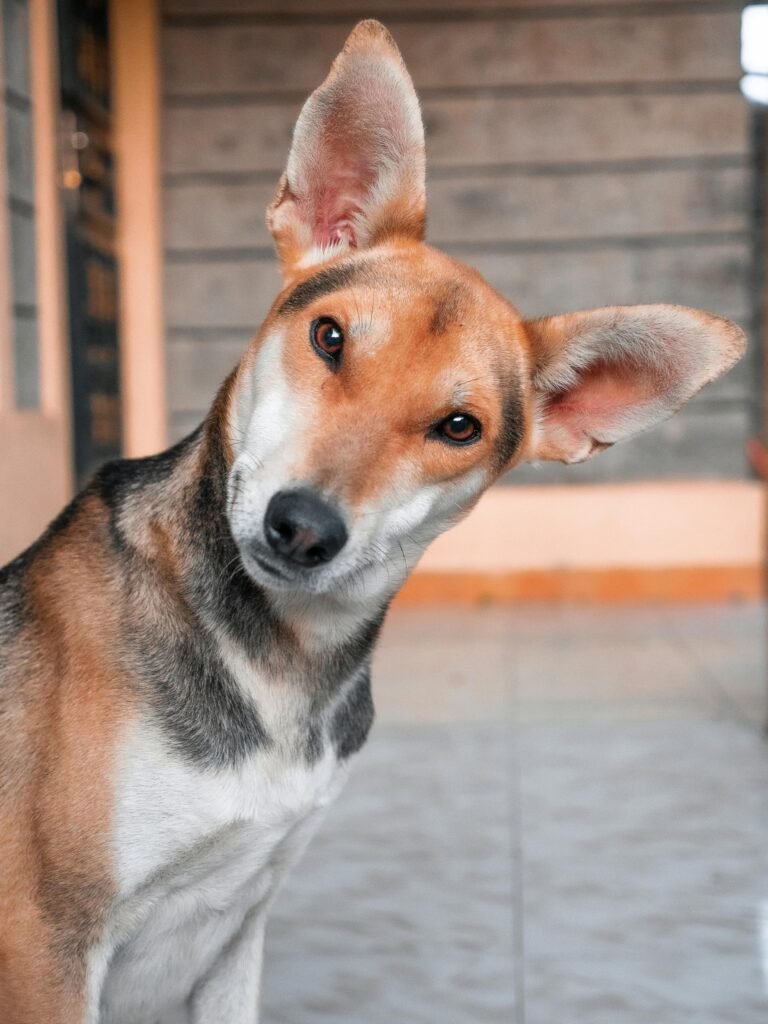

If you’re wondering why does my dog bark at night, you’re not alone — and you’re definitely not a bad dog owner.
Many dog owners go through this, and it can feel exhausting, frustrating, and even a little worrying.
You might find yourself asking: Is something wrong? Is my dog trying to tell me something?
The truth is, dogs bark at night for several reasons — and most of them can be understood and improved with the right approach.
Let’s gently break it down so you can understand why does my dog bark at night and help your dog feel calmer (and finally get a peaceful night’s sleep again).
Why Does My Dog Bark at Night? Common Reasons Explained
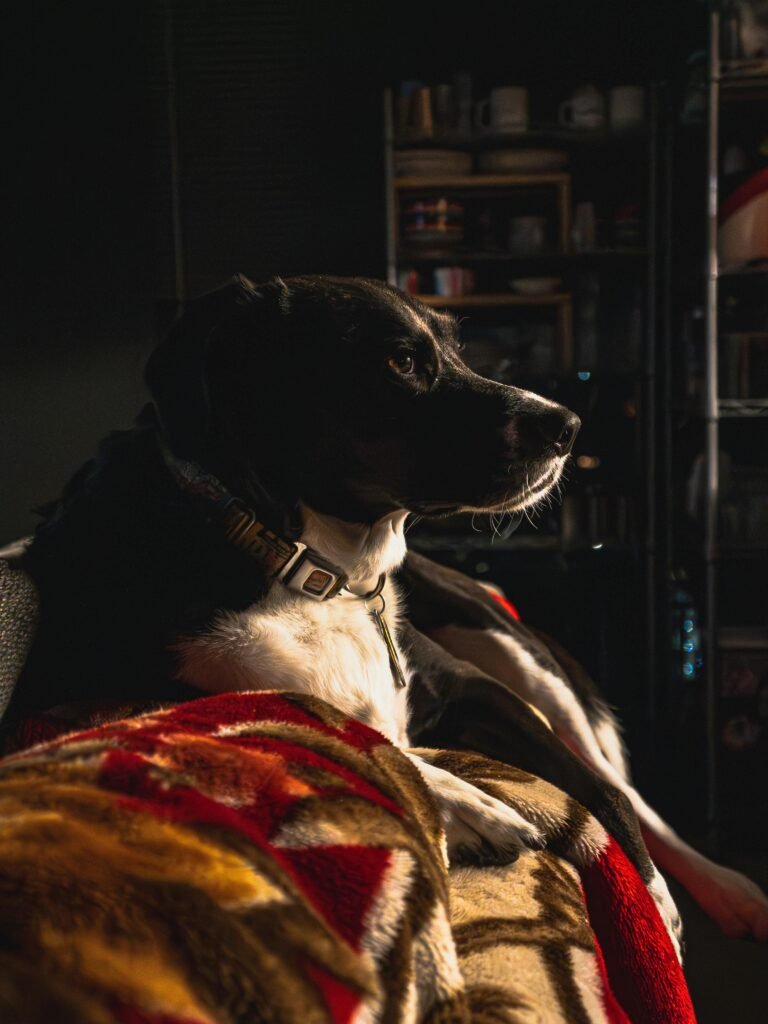
If you’re wondering why your dog barks at night, understanding the causes is the first step toward solving the problem.
- Boredom or Excess Energy
If your dog didn’t get enough physical or mental stimulation during the day, nighttime becomes an outlet. Barking is simply a way to release that leftover energy.
To keep your dog mentally stimulated, providing interactive toys and puzzle games during the day can help ensure they are tired and quiet at night. The AWOOF Snuffle Mat is one of the best tools for this — it keeps dogs busy and mentally tired in a fun and natural way. - Outside Noises
Dogs have much sharper hearing than we do. Sounds you barely notice — like distant footsteps, other animals, or even wind — can trigger barking.
Using a white noise machine can help mask these sounds and create a peaceful environment for your pet.
- Separation Anxiety
Some dogs feel more anxious at night, especially if they’re sleeping alone. Barking can be a way of expressing stress or seeking reassurance.
To help your furry friend relax, the Snuggle Puppy Heartbeat Toy can effectively reduce stress and nighttime anxiety — especially for dogs that feel lonely when sleeping alone. Its simulated heartbeat helps anxious dogs feel safe and calm through the night. If you want to understand more about this condition, read our complete guide on dog separation anxiety.
- Attention-Seeking Behavior
If your dog has learned that barking gets your attention, they may continue doing it. This behavior is also connected to why dogs whine and why dogs follow their owners everywhere — it is all about seeking comfort and reassurance from you.
- Changes in Environment
A new home, new routine, or even small changes can make your dog feel unsettled — and this is one of the reasons why does my dog bark at night more intensely during transition periods.
Is It Normal or a Problem?
Occasional barking is completely normal. If you are asking why does my dog bark at night occasionally, it may simply be your dog communicating — it’s part of who they are.
However, it may become a concern if:
- The barking is constant or intense
- It started suddenly without an obvious reason
- Your dog seems stressed, restless, or uncomfortableIt’s affecting your sleep regularly
In these cases, it’s important to look a little deeper into what might be causing it.
How to Stop Your Dog from Barking at Night
When wondering why does my dog bark at night, the goal isn’t to silence your dog, but to understand and guide them toward calmer behavior.
- Create a Consistent Routine
Dogs feel safer when they know what to expect. Try to keep feeding, walks, and bedtime consistent.
- Increase Daily Exercise
A well-exercised dog is a calmer dog. Physical activity during the day helps reduce excess energy at night.
- Provide Mental Stimulation
Interactive toys, training sessions, or simple games can help tire your dog mentally.
- Improve the Sleeping Environment
Make sure your dog’s sleeping area is comfortable, quiet, safe, and not too isolated.
- Avoid Reinforcing the Behavior
If you immediately respond every time your dog barks, they may learn that barking brings attention.
- Gentle Training and Reassurance
Use calm, consistent training. Avoid punishment — it often increases anxiety and makes the problem worse.
When Should You Be Concerned?
If your dog’s barking is accompanied by other changes, it’s worth paying closer attention.
Look out for:
- restlessness or pacing
- changes in appetite
- signs of fear or distress
- unusual behavior patterns
IIf something feels off, consulting a veterinarian or a professional trainer can help bring clarity and peace of mind. They can also help you understand specifically why does my dog bark at night in your particular situation.
Every dog is different, and nighttime barking doesn’t always mean something is wrong. Sometimes, it’s just your dog reacting to small changes, sounds, or emotions that we don’t immediately notice.
Paying attention to patterns and understanding your dog’s routine can make a big difference over time.
If you’re wondering why does my dog bark at night, the key is understanding the cause and responding with patience. You may also find it helpful to read about why dogs lick you and why dogs stare at their owners — these behaviors are often connected to the same emotional needs.
Quick Tips to Reduce Nighttime Barking Starting Tonight
If you need results quickly, here are some simple changes you can make tonight to help reduce your dog’s nighttime barking. First, take your dog for a longer walk or play session in the evening to burn off excess energy before bedtime.
Second, set up a comfortable sleeping area in a quiet part of the house, away from windows where outside noises might trigger barking.
Third, try leaving a piece of your worn clothing near your dog’s bed — your scent can help them feel less alone and more secure through the night. Fourth, avoid giving attention when your dog barks at night. Instead, wait for a moment of quiet and then calmly reward that silence.
Fifth, consider using a white noise machine near your dog’s sleeping area to block outside sounds that might be triggering the barking.
These small changes can make a significant difference when you are trying to understand why does my dog bark at night, especially when combined with a consistent daily routine.
Best Products to Help With Nighttime Barking
The right products can make a big difference when trying to understand why does my dog bark at night and reduce barking caused by anxiety or boredom.
The Snuggle Puppy Heartbeat Toy helps dogs feel safe and calm when sleeping alone by mimicking a mother dog’s heartbeat — one of the most effective tools for dogs with separation anxiety at night.
The AWOOF Snuffle Mat keeps your dog mentally stimulated during the day, helping them burn energy naturally so they sleep better and bark less at night.
Final Thoughts
If you have been asking why does my dog bark at night, know that you are not alone — and it can feel overwhelming, especially when you’re tired and unsure what to do.
But in most cases, your dog isn’t being difficult — they’re simply trying to communicate something.
With patience, consistency, and a bit of understanding, you can help your dog feel calmer and more secure at night.
And little by little, those peaceful nights will return — for both of you.

Andrea Frota is the creator of Dog In Focus, a blog dedicated to helping dog owners better understand dog behavior, training, health, and everyday care. Through carefully researched articles and practical guidance, Andrea shares helpful information to support responsible and confident dog ownership.