Before we begin, a quick dog-mom disclaimer: This post contains affiliate links, meaning I may earn a small commission if you buy something, at no extra cost to you. It helps keep Bella’s bowl full! 🐶❤️
Have you ever found yourself sitting on the living room floor, looking into your dog’s eyes, and whispering, “I just wish you could tell me what you’re thinking”? You are not alone. Understanding canine communication is the secret to answering that question, and this dog body language guide will show you exactly how.
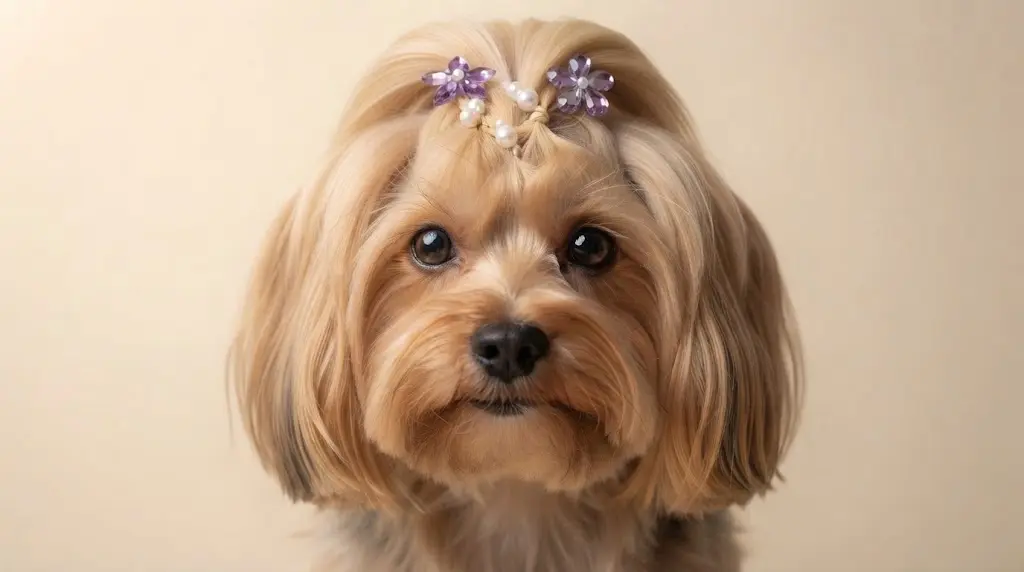
When my 9-year-old Yorkie, Bella, gives me that specific look, I know exactly what she needs. But getting to that level of quiet understanding didn’t happen overnight. There is something incredibly profound about the moment you stop just guessing and start truly listening to what your dog is feeling. It completely changes your relationship.
The truth is, your dog is talking to you all the time. Every wag, every shift in ear position, every subtle lean or glance is a word in their unique language. And once you learn how to read dog body language, you will never look at your pup the same way again.
🐾 Paw Pause
Dogs don’t watch the clock. They watch you. They study your routines, your moods, and your expressions. Taking the time to study theirs is one of the greatest acts of love we can offer them.
This dog body language guide is everything I wish I had known from the start. Let’s decode your dog together.
What Is Dog Body Language and Why Does It Matter?
Dog body language is the way your dog uses their body — tail, ears, eyes, posture, and facial expressions — to communicate how they feel.
Unlike humans, dogs can’t use words. But they are incredibly expressive. Every single movement your dog makes carries meaning, and understanding dog body language helps you respond in the right way at the right time.
When you understand dog body language, you can tell when your dog is happy, nervous, scared, playful, or uncomfortable — before the situation escalates. This makes you a more confident, compassionate, and connected dog owner.
According to the American Kennel Club, reading dog body language is one of the most important skills any dog owner can develop. It improves training results, strengthens the bond, and can even prevent accidents or misunderstandings between dogs and children.
Reading Your Dog’s Tail: What Every Wag Really Means
Most people think a wagging tail always means a happy dog. But dog body language is more nuanced than that — and the tail is one of the most expressive parts of your dog’s body.
Here is what different tail positions actually mean:
- High tail, fast wag: Your dog is excited, confident, and feeling great. This is the classic happy wag most people recognize.
- Low tail, slow wag: This is often a sign of uncertainty or submission. Your dog may be unsure about a situation or trying to appear non-threatening.
- Tail tucked between legs: This is a clear signal of fear or stress in dog body language. Your dog feels threatened or extremely anxious and needs reassurance.
- Tail straight out, barely moving: Your dog is alert and focused. They’ve noticed something and are assessing the situation carefully.
- Helicopter wag (spinning in circles): Pure joy. This full-body wag usually means your dog is absolutely thrilled to see you — and honestly, it never gets old.
One important thing to remember about dog body language: always look at the whole picture, not just one signal. A wagging tail combined with a stiff body means something very different from a wagging tail combined with relaxed, wiggly body language.
Your Dog’s Ears: A Window Into Their Emotions
Ears are one of the fastest-moving parts of dog body language — and one of the most telling.
- Ears forward and alert: Your dog is curious and engaged. Something caught their attention and they want to investigate.
- Ears relaxed and slightly to the sides: This is the sweet spot in dog body language — your dog is calm, comfortable, and content. This is what we always want to see.
- Ears pinned flat against the head: Fear, anxiety, or submission. Your dog is uncomfortable and trying to make themselves appear smaller and less threatening.
- One ear up, one ear down: Your dog is trying to process something — often a new sound or an unfamiliar situation. It’s their version of tilting their head to think.
If you notice your dog’s ears are frequently pinned back when you are getting ready to leave the house, they might be struggling with more than just a passing worry. Read our gentle guide on understanding dog separation anxiety to see how you can help them feel safe and secure again.
Dog Eyes: What Your Dog’s Gaze Is Really Telling You
Eyes are incredibly expressive in dog body language — and learning to read them can feel like magic.
- Soft, relaxed eyes: Your dog is happy and at ease. The eyes look almost squinty, like they’re smiling — because in a way, they are.
- Hard stare, unblinking: This is a huge red flag. A fixed, hard stare is often a warning sign that your dog feels threatened or is preparing to react. Give them space and avoid direct eye contact in return.
- Whale eye (showing the whites of their eyes): When you can see the white of your dog’s eye — especially in a half-moon shape — your dog is stressed, anxious, or uncomfortable. This is a signal to remove them from the situation calmly.
- Avoiding eye contact: Your dog is being submissive or trying to de-escalate a tense moment. It’s actually a polite signal in dog body language — they’re saying “I mean no harm.”
- Slow blink: A slow, deliberate blink from your dog is actually a sign of trust and affection. Think of it as a dog kiss. Try slow blinking back — many dogs respond with the same relaxed, trusting energy.
You might have also noticed your dog staring at you with those big, soulful eyes. If you’ve ever wondered what that means, we have a whole guide on why does my dog stare at me that you’ll love.
Mouth and Facial Expressions in Dog Body Language
Your dog’s mouth tells a story too — and it goes way beyond growling or smiling.
- Relaxed, slightly open mouth: Pure contentment in dog body language. Your dog is happy, relaxed, and comfortable in their environment.
- Lips pulled back showing teeth (without tension): Sometimes called a “submissive grin,” this is actually a friendly signal — though it can look alarming at first! The key is the rest of the body is loose and relaxed.
- Lips pulled back showing teeth (with tension): This is very different. Stiff body, hard eyes, and exposed teeth together are a serious warning in dog body language. Your dog is telling you — or someone else — to back off.
- Yawning when not tired: A yawn in dog body language is often a calming signal. Your dog may be trying to de-escalate tension or self-soothe when they feel uncomfortable.
- Lip licking when not eating: Similar to yawning, this is a calming signal and a subtle sign of stress or anxiety in dog body language. If you notice your dog doing this often, they may be telling you they’re not comfortable.
Dog Posture: Reading the Whole Body
In dog body language, posture is everything. The way your dog holds their entire body is often more telling than any single signal alone.
- Relaxed, loose body: The gold standard in dog body language. Your dog is happy, comfortable, and trusting. Their body looks soft and wiggly rather than stiff or tight.
- Play bow (front end down, back end up): This is one of the most joyful signals in all of dog body language. Your dog is inviting you — or another dog — to play. It’s a universal signal of fun and friendliness.
- Body leaning into you: Affection and trust. Your dog is seeking closeness and comfort. If you’ve ever wondered why dogs lean on their owners, we have a whole guide dedicated to this heartwarming behavior.
- Making themselves small, crouching low: Fear or submission in dog body language. Your dog is trying to appear non-threatening because they feel scared or overwhelmed.
- Standing tall, weight forward: Confidence — or sometimes a challenge. Combined with a hard stare and stiff tail, this posture in dog body language can signal that your dog is feeling dominant or threatened.
- Rolling onto their back: This can mean two very different things depending on context. A relaxed rollover with a wiggly body is an invitation for belly rubs — pure happiness. A stiff rollover with tucked tail is a submissive signal of fear. Always read the whole picture.
Stress Signals in Dog Body Language You Should Never Ignore
One of the most important reasons to read a dog body language guide is to recognize when your dog is stressed — before it becomes a bigger problem.
These are the subtle stress signals that are easy to miss:
- Yawning repeatedly in a tense situation.
- Lip licking when no food is around.
- Shaking off as if wet, but they’re completely dry.
- Sudden scratching or sniffing the ground to avoid interaction.
- Panting when it’s not hot and they haven’t been exercising.
- Sudden loss of focus during training.
- Tucked tail combined with low body posture.
- Whale eye — showing the whites of their eyes.
If your dog shows several of these signals at once, they are telling you loud and clear that something feels wrong. The best thing you can do is calmly remove them from the situation and give them a safe, quiet space to decompress.
Dogs that are frequently stressed may develop behaviors like excessive licking, whining, or following you constantly around the house — all of which are connected to how they communicate through dog body language every single day.
Happy Dog Signals: What Joy Looks Like in Dog Body Language
Now for the best part — learning to recognize when your dog is truly, deeply happy. 🐾
A happy dog in dog body language looks like this: loose, wiggly body that seems to move in every direction at once, relaxed open mouth that almost looks like a smile, soft eyes that may be slightly squinted, ears in a neutral relaxed position, tail wagging in a full wide arc, and that irresistible “zoomies” energy where they just run around for the pure joy of it.
When you see all of these together, your heart will feel full. Because that’s your dog saying — in the clearest dog body language possible — “I am so happy. I love my life. I love you.”
And honestly? That’s everything.
Best Products to Help You Connect With Your Dog Through Body Language
Understanding dog body language is just the beginning. Once you know what your dog is feeling, you can actively use that knowledge to make their days better.
If you often notice your dog showing subtle signs of boredom or restless energy—like pacing, sighing heavily, or offering a stiff, low tail wag—it can feel overwhelming. You want them to be happy, but you can’t always be on the floor playing fetch.
That restless energy usually just means their brain needs a job. When dogs engage their natural instinct to sniff and forage, their brain releases dopamine. You can literally watch their body language transform from tense to deeply relaxed.
One of the easiest ways to encourage this is by hiding a few treats in a rolled-up towel. But if you want a simple solution that keeps them happily occupied for longer, a dedicated foraging tool is wonderful.
The AWOOF Snuffle Mat This is my absolute favorite recommendation for busy afternoons. It encourages natural foraging, and watching your dog’s body posture soften as they snuffle away is incredibly rewarding to see.

But what if your dog’s body language is telling you they are genuinely anxious? Pinned ears, a tucked tail, and whale eye are heartbreaking to see, especially during thunderstorms or when they are trying to sleep in a new environment.
For those fragile moments, dogs need sensory comfort that mimics the deep safety of their mother or littermates.
The Original Snuggle Puppy Heartbeat Toy This is a premium, beautifully designed comfort aid. It features a real-feel pulsing “heartbeat” and a gentle heat pack. When you place it near a stressed dog, you will visibly see their breathing slow down and their tight, fearful posture melt into a soft, secure curl. It is truly beautiful to witness.

Final Thoughts on This Dog Body Language Guide
Learning to read dog body language is one of the most rewarding things you will ever do as a dog owner.
It’s not about becoming an expert overnight. It’s about paying a little more attention each day — noticing the tail, the ears, the eyes, the posture — and slowly building a deeper understanding of the amazing creature who has chosen to share their life with you.
Your dog is always talking. Dog body language is their voice. And now that you know how to listen, your relationship will never be the same.
Keep Exploring Your Dog’s World:
If you loved learning about this, you will definitely want to read these next:
- Ever wonder why your pup is your constant shadow? Read Why Dogs Follow Their Owners Everywhere to uncover the sweet reason behind it.
- If your dog is highly vocal, our guide on Why Dogs Whine will help you translate those sighs, cries, and grumbles.
- And if you frequently catch them locking eyes with you across the living room, discover the true meaning in Why Dogs Stare At Their Owners.
Take a deep breath. You are doing a wonderful job, and your dog already knows it. 🐾
❓ FAQ — Frequently Asked Questions
What is dog body language? Dog body language is the way dogs use their tail, ears, eyes, posture, and facial expressions to communicate their feelings and intentions to other dogs and humans.
How can I tell if my dog is happy? A happy dog shows loose, wiggly body posture, relaxed soft eyes, an open mouth that looks like a smile, and a tail wagging in a wide, full arc. The whole body looks relaxed and free.
What does it mean when my dog shows their teeth? It depends on the context. A relaxed body with a “grin” can be a submissive, friendly gesture. But teeth showing combined with a stiff body and hard stare is a serious warning signal that should never be ignored.
Why does my dog yawn when I pet them? Yawning during petting can be a calming signal — your dog may be slightly overstimulated or uncomfortable. Try shorter, gentler petting sessions and watch how their body language responds.
Can I learn dog body language quickly? Yes! Start by observing your dog during calm, happy moments so you know what relaxed looks like. From there, you’ll naturally start noticing when something feels different. It gets easier and more intuitive every single day.

Andrea Frota is the creator of Dog In Focus, a blog dedicated to helping dog owners better understand dog behavior, training, health, and everyday care. Through carefully researched articles and practical guidance, Andrea shares helpful information to support responsible and confident dog ownership.