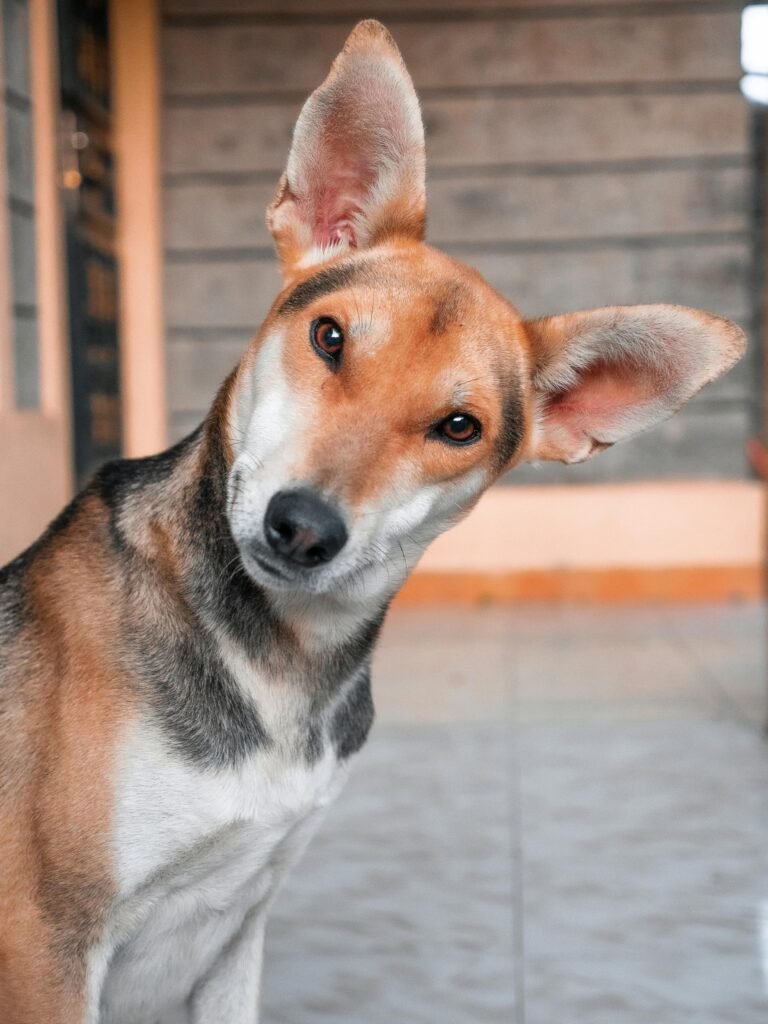
Why does my dog stare at me? Have you ever noticed your dog staring at you and wondered what it means?
It can feel a little strange — sometimes even uncomfortable — especially when your dog just sits there, watching you without breaking eye contact.
But the truth is, dogs stare for many different reasons. And in most cases, it’s completely normal.
Understanding why your dog stares at you can help you better interpret their needs, emotions, and behavior.
Let’s break it down in a simple and easy way.
Common Reasons Your Dog Stares at You
Dogs use eye contact as a way to communicate. Unlike humans, they don’t rely on words — so staring becomes one of their main tools.
Here are some of the most common reasons:
- They Want Something
Your dog may be asking for food, attention, a walk, or to go outside. - They Are Trying to Understand You
Dogs are very observant. They often watch your body language, tone of voice, and routines to figure out what’s happening next. - They Are Showing Affection
In many cases, a soft, relaxed stare is actually a sign of love and trust. - They Are Waiting for a Command
If your dog is trained, they may be looking at you for guidance or the next instruction. - They Feel Anxious or Unsure
A more intense or stiff stare can sometimes indicate stress or confusion.
Is It Normal or a Problem?
In most situations, a dog staring at you is completely normal.
It becomes a concern only if the behavior is accompanied by other warning signs, such as:
- stiffness or frozen posture
- growling or showing teeth
- intense, unblinking eye contact
- signs of fear or stress
If your dog seems relaxed, calm, and responsive, there’s usually nothing to worry about.
When Should You Be Concerned?
There are certain situations where staring may indicate something more serious.
Pay attention if your dog:
- suddenly changes behavior
- becomes aggressive or defensive
- seems anxious or overly tense
- avoids interaction after staring
In these cases, it may be helpful to consult a professional trainer or veterinarian.
How to Respond to Your Dog’s Staring
The best response depends on the context.
- If your dog wants something, try to identify what they need
- If they’re calm, you can gently engage with them
- If they seem anxious, create a calm and safe environment
- Avoid staring back in a confrontational way
Understanding your dog’s signals is the key to building a stronger bond.
Final Thoughts
A dog staring at you isn’t something to fear — it’s usually a form of communication.
With time and observation, you’ll start to understand what your dog is trying to tell you.
And the more you understand them, the stronger your connection will become.
Every dog is unique, and understanding their behavior takes time and patience. The more closely you observe your dog’s body language, routine, and mood, the easier it becomes to understand what they may be trying to communicate.
In many cases, staring is simply your dog’s way of connecting with you and seeking reassurance. Paying attention to the context and your dog’s overall behavior will help you respond in the best possible way and strengthen your relationship over time.
This kind of eye contact can also be part of your dog’s natural social behavior. In a calm setting, staring often reflects attention, trust, and interest in what you are doing. This helps create a deeper bond between you and your dog over time over time and trust.
f your dog also barks at night, this complete guide can help:
Why Does My Dog Bark at Night? How to Stop It (Complete Guide)

Andrea Frota is the creator of Dog In Focus, a blog dedicated to helping dog owners better understand dog behavior, training, health, and everyday care. Through carefully researched articles and practical guidance, Andrea shares helpful information to support responsible and confident dog ownership.