
Disclaimer: This post contains affiliate links, which means I may earn a small commission if you purchase through them—at no extra cost to you. I only recommend products I truly love and trust!
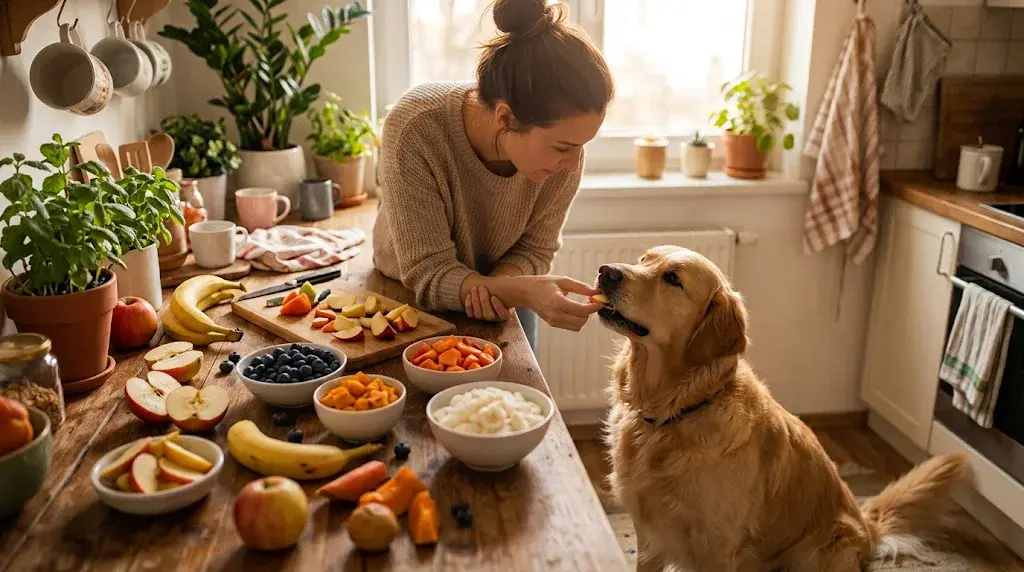
If you’ve ever sat down for a quiet snack and wondered what can dogs eat safely while those big, soulful puppy eyes stare right at you, you already know the universal struggle! From a crisp apple slice to a stray piece of cheese, our dogs seem convinced that everything we eat was actually made just for them!
As a devoted dog mom, I completely understand the temptation to share. Wanting to treat our furry best friends is just another way we show them how much we love them. But as responsible pet parents, navigating what is truly safe can sometimes feel overwhelming. One wrong bite can mean an unexpected trip to the emergency vet, while the right snack can be a healthy, joyful bonding moment.
The good news? You don’t have to guess. Here is a warm, vet-approved guide to help you understand what can dogs eat safely, featuring the 15 most common foods you can happily share—and the ones you must always keep away from your curious pup.
1. What Can Dogs Eat Safely? Crunchy Apples (A Sweet, Vitamin-Rich Treat)
Apples are an absolute favorite for many dogs. They are packed with vitamins A and C, as well as fiber, which is fantastic for digestion.
- The Golden Rule: Always slice the apple and remove the core and seeds completely. Apple seeds contain trace amounts of cyanide, and the core can be a choking hazard.
2. Fresh Blueberries (Tiny Antioxidant Powerhouses)
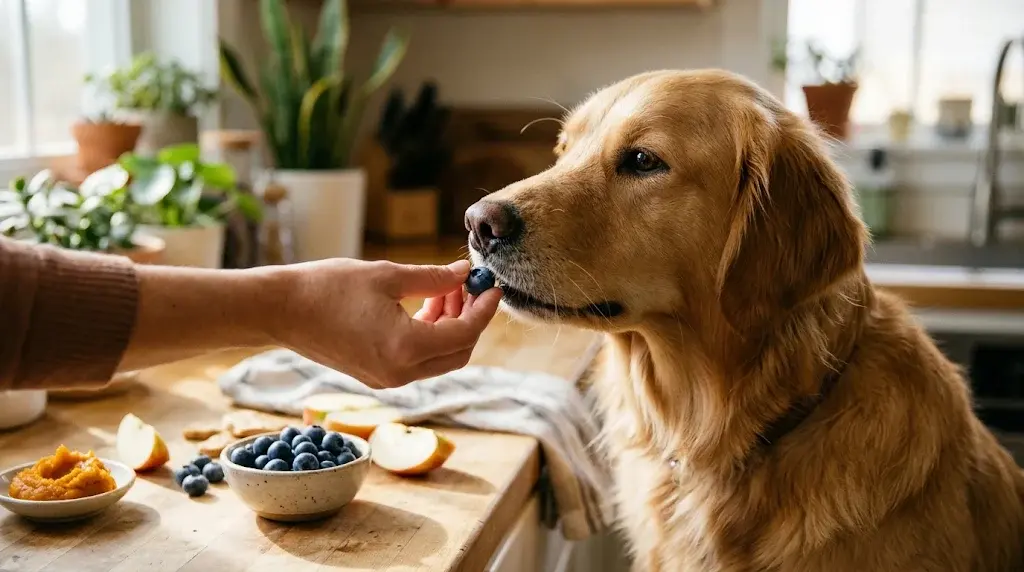
If your dog loves small, bite-sized snacks, blueberries are a dream come true. They are loaded with antioxidants, fiber, and phytochemicals that support overall cellular health.
- How to Serve: Toss a few fresh (or frozen!) blueberries into their bowl as a fun, crunchy midday reward.
3. Plain White Rice or Sweet Potatoes (Gentle Tummy Soothers)
If your pup ever has a sensitive tummy day or loose stool, knowing what can dogs eat safely is essential, and plain white rice or boiled sweet potato is a classic vet recommendation. They are easy to digest and soothe the digestive tract.
- How to Serve: Serve completely plain—no butter, salt, oil, or spices added.
4. Plain Greek Yogurt (A Probiotic Boost)
Unsweetened, plain Greek yogurt is fantastic for your dog’s gut health because of its natural probiotics and calcium.
- The Golden Rule: Always double-check the label to ensure it is 100% free of artificial sweeteners like xylitol, which is extremely toxic to dogs.
5. Pure Pumpkin Puree (The Ultimate Digestion Helper)
Pumpkin is a miracle food for dogs. Whether your pup is dealing with occasional constipation or mild tummy troubles, pure pumpkin adds wonderful soluble fiber.
- Crucial Warning: Make sure you buy 100% pure canned pumpkin, never pumpkin pie mix, which contains dangerous spices, sugar, and nutmeg.
6. Lean Chicken Breast (Pure, Simple Protein)
Plain chicken is the ultimate high-value training treat and a wonderful addition to a bland diet when needed.
If you want healthy, low-calorie treats that are perfect for rewarding your dog during training sessions without risking their tummy, top pet parents love the Pupford Freeze Dried Training Treats for Dogs. They are small, delicious, and extremely gentle on sensitive dog stomachs!
- How to Serve: Boil or bake the chicken completely plain, shred it finely, and ensure there are no cooked bones, skin, or seasonings attached.
7. Juicy Watermelon (A Hydrating Summer Snack)
Watermelon is over 90% water, making it an incredible, refreshing treat on warm days.
- The Golden Rule: Always remove the hard green rind and all black seeds before handing a piece to your pup to prevent intestinal blockage.
8. Sliced Bananas (A Potassium-Rich Energy Boost)
Bananas are sweet, delicious, and full of potassium, vitamins, and biotin. Because they are higher in natural sugar, think of them as an occasional special reward.
- How to Serve: Cut into small, manageable slices and always peel off the thick skin, which is difficult for dogs to digest.
9. Crisp Carrots (Great for Teeth and Gums)
Carrots are low in calories, high in beta-carotene, and provide wonderful dental benefits as your dog crunches down on them.
- How to Serve: Cut raw carrots into bite-sized coins, or give a whole chilled carrot to a teething puppy as a natural chew toy.
10. Plain Cooked Oatmeal (A Heart-Healthy Grain)
If you love starting your morning with a warm bowl of oatmeal, you can safely share a spoonful with your dog! Oats are rich in soluble fiber and great for senior dogs with irregular digestion.
- How to Serve: Cook plain oats in water or plain milk (avoiding excess lactose if your dog is sensitive), and never add sugar, raisins, or chocolate.
11. Fresh Green Beans (Low-Calorie Crunch)
Looking for a healthy treat for a pup who needs to watch their weight? Green beans are loaded with iron, vitamins, and fiber while being practically zero-calorie.
- How to Serve: Serve them raw, steamed, or boiled—completely plain and unseasoned.
12. Seedless Cucumbers (Super Hydrating Refreshment)
Cucumbers are crisp, cool, and made mostly of water, making them an ideal low-calorie snack for hot afternoons.
- How to Serve: Peel the skin if it’s tough to digest, slice into rounds, and share!
13. Plain Popcorn (A Movie Night Treat)
Yes, you read that right! Plain, air-popped popcorn can actually be a fun, crunchy snack for your dog.
- The Golden Rule: It must be 100% plain—no butter, no salt, no caramel, and no unpopped kernels that could get stuck in their teeth or throat.
14. Seedless Strawberries (Vitamin C and Bright Smiles)
Strawberries are full of antioxidants, fiber, and an enzyme that can actually help whiten your dog’s teeth naturally.
- How to Serve: Wash thoroughly, remove the green stem and leaves, and cut them in half before serving.
15. Scrambled Eggs (A Nutrient-Dense Protein Booster)
Eggs are an incredible source of easy-to-digest protein, fatty acids, and vitamins that promote a shiny, healthy coat.
- How to Serve: Scramble the eggs plain in a pan using just a tiny drop of olive oil or water—no butter, salt, or cheese.
Affiliate Recommendation (Amazon)
To support your dog’s daily digestion and keep their gut thriving naturally, top pet parents rely on trusted supplements like the Purina Pro Plan Veterinary Supplements FortiFlora Dog Probiotic. It’s a wonderful daily addition recommended by vets worldwide.
Foods You Must NEVER Share with Your Dog
While sharing healthy kitchen scraps can be wonderful, some everyday human foods are deeply toxic. Always keep these far away from your pup:
- Chocolate, Coffee, and Caffeine: Contains theobromine, which is poisonous to dogs.
- Grapes and Raisins: Can cause sudden, severe kidney failure.
- Onions, Garlic, and Chives: Damages red blood cells and causes severe anemia.
- Xylitol (Artificial Sweetener): Found in sugar-free gum, peanut butter, and diet snacks; causes rapid, fatal blood sugar drops.
- Macadamia Nuts: Causes severe neurological weakness, tremors, and vomiting.
- Alcohol and Yeast Dough: Highly toxic and dangerous for a dog’s digestive system.
A Balanced Approach to Sharing
When it comes to Dog Care, knowing what can dogs eat safely means you can enjoy delicious kitchen moments with your furry best friend without a single worry. Treats and shared snacks should always make up less than 10% of your dog’s daily caloric intake, keeping their primary nutrition strong and balanced.
What is your dog’s absolute favorite fruit or vegetable from the fridge? Drop a comment below—I would love to know what makes your pup’s tail wag! 🐾

Andrea Frota is the creator of Dog In Focus, a blog dedicated to helping dog owners better understand dog behavior, training, health, and everyday care. Through carefully researched articles and practical guidance, Andrea shares helpful information to support responsible and confident dog ownership.