Before we begin, a quick dog-mom disclaimer: This post contains affiliate links, meaning I may earn a small commission if you buy something, at no extra cost to you. It helps keep Bella’s bowl full and our helpful tips free! 🐶❤️
It is 2:00 AM. The house is completely silent, save for the soft, rhythmic breathing of your beloved small pup sleeping at the foot of your bed.
Suddenly, a terrifying sound shatters the peace.
Your dog sits up, neck extended, eyes wide with panic. They start making a violent, repetitive, backward-snorting sound that sounds exactly like a honking goose. It looks as if they are suffocating, trying to vomit, or desperately gasping for their last breath. Drool pools at the corner of their mouth, and they stand there, completely frozen.
If your small pup has ever made this terrifying sound, your first panic-induced thought was likely: “Why does my dog make a honking noise?” You aren’t alone. The good news is that they are highly likely experiencing a temporary, harmless spasm called reverse sneezing.
If you are like most loving dog parents, your immediate instinct is to panic. You might pat their back, try to force open their mouth, offer them a bowl of water, or even offer a tiny piece of meat to “clear their throat.”
First, take a deep breath. Please, stop and read this before the next episode happens.
What your dog is experiencing is most likely Reverse Sneezing (clinically known as paroxysmal respiration). While it looks and sounds absolutely horrifying, it is generally harmless. However, the things we instinctively do to help can sometimes make it worse.
Let’s look at exactly what is happening inside your dog’s airway, how to stop a honking fit in less than 10 seconds, and how to protect your pup’s delicate throat for the long run.
Why Does My Dog Make a Honking Noise? What Is a “Reverse Sneeze”
A normal sneeze occurs when your dog’s nasal passages are irritated, causing them to forcefully push air out through their nose.
A reverse sneeze is the exact opposite.
When the soft palate (the muscular tissue at the back of the roof of the mouth) and the throat become irritated or spasm, your dog violently pulls air in through their nose. This rapid, repeated inhalation of air creates that signature, alarming “honking” or choking sound.
Why Does My Dog Drool and Try to Gag During an Episode?
During a severe reverse sneezing fit, the rapid air intake irritates the throat lining. This irritation triggers the production of excess saliva (drool). Because your dog’s throat muscles are spasming, they cannot swallow properly, leading to gagging or spitting up clear fluid. It looks like they are trying to vomit, but they are actually just trying to clear the excess saliva and soothe their irritated airway.
Reverse Sneezing vs. Tracheal Collapse vs. Choking
Because many respiratory issues in small breeds sound similar, it is vital to know the difference. Here is a quick reference table to help you identify what is happening:
| Feature | Reverse Sneezing (Harmless Fit) | Tracheal Collapse (Medical Issue) | True Choking (Emergency!) |
|---|---|---|---|
| The Sound | Heavy snorting, backward gasps, “goose honking.” | Persistent dry, harsh, brassy cough (sounds like a goose). | High-pitched squeaking, gasping, silent struggle. |
| When It Happens | Sudden episodes; dog is fine immediately after. | Triggered by excitement, exercise, heat, or leash pulling. | Occurs suddenly while eating, chewing a toy, or playing. |
| Dog’s Body Language | Stands still, neck extended, eyes wide but alert. | Repetitive coughing, lethargy, bluish gums in severe cases. | Pawing at mouth, frantic pacing, blue tongue/gums, inability to breathe. |
| What to Do | Use the 10-second throat massage trick. | Switch to a harness; consult a vet for cartilage support. | Perform the canine Heimlich maneuver immediately! |
⚠️ Critical Dog-Mom Warning: Never try to feed your dog or force them to drink water during an active reverse sneezing fit. Because they are rapidly inhaling air, offering food (like a piece of meat or a treat) or water can cause them to accidentally inhale the food into their lungs (aspiration). This can lead to a genuine choking emergency or aspiration pneumonia.
3 Hidden Triggers: What Causes Reverse Sneezing?
While any dog can experience a reverse sneeze, small breeds—especially Yorkshires, Maltese, Shih Tzus, and Pugs—are highly susceptible due to their compact airways and elongated soft palates. The most common triggers include:
1. Airway Irritants and Seasonal Allergies
Just like humans react to pollen, dust mites, perfumes, and household cleaners, dogs do too. A sudden inhalation of dust or pollen can trigger an immediate spasm in the back of their throat.
2. Post-Nasal Drip and Gut-Health Connection
Excess mucus dripping down the throat is a major trigger. Interestingly, chronic throat irritation is often linked to systemic allergies and poor gut health. (If you suspect your pup has gut issues, check out our guide on the 5 Silent Signs Your Dog Needs Probiotics). When a dog’s immune system is overreactive, they produce more mucus, leading to frequent honking fits.
3. Neck Strain from Collar Pulling
Using a traditional collar on a small dog is one of the leading causes of throat irritation. When a small dog pulls on a leash attached to a collar, it crushes their delicate trachea and irritates the soft palate, triggering chronic coughing and reverse sneezing.
How to Stop a Reverse Sneezing Fit in 10 Seconds (Step-by-Step)
When your dog starts honking, the goal is to get them to swallow. Swallowing relaxes the throat muscles and stops the spasm. Here is the safest, gentlest way to do it:
| Step 1: Stay Calm ► Step 2: Massage the Throat Step 3: Cover the Nostrils (1 Sec) ► Step 4: Blow Gently |
- 1. Keep Your Cool: Your dog feeds on your energy. If you panic, their heart rate rises, making it harder for them to breathe and prolonging the spasm.
- 2. The Throat Massage: Gently stroke your dog’s throat in a downward motion. This encourages them to relax and swallow.
- 3. The Nostril Trick: Gently place your finger over your dog’s nostrils for just one second. This forces them to open their mouth and swallow. Once they swallow, the fit almost always stops instantly.
- 4. The Soft Blow: Gently blow a tiny puff of air directly onto your dog’s nose. This startles them slightly, causing them to blink and swallow, which resets their breathing rhythm.
The Hybrid Care Approach: Treatment vs. Cure
To free your dog from these terrifying episodes, we need a two-pronged approach. We must address both the immediate physical trigger and the root environmental cause.
1. The Physical Treatment: Ditch the Collar
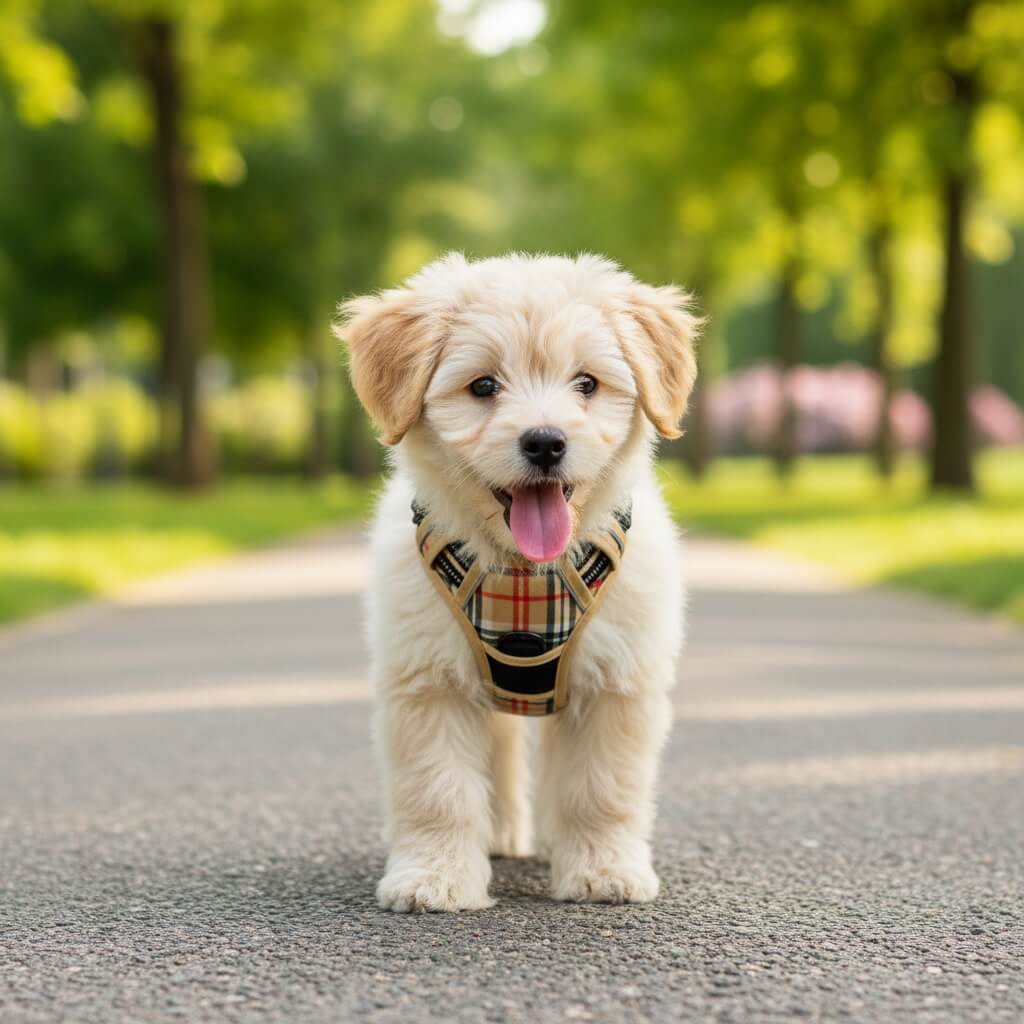
If you are still walking your small dog on a collar, this is your sign to stop. Every tiny pull puts pressure on their throat. Switch to a high-quality, step-in harness that completely bypasses the neck, distributing pressure across the chest instead.
- Our Top Pick: Investing in a high-quality, throat-friendly dog harness is the single most important step you can take. A good ergonomic, padded harness designed specifically for toy breeds can reduce throat spasms by up to 80% almost overnight.
2. The Root Cause Cure: Calm the Immune System
If your dog’s reverse sneezing is triggered by dust, pollen, or seasonal allergies, treating the symptoms isn’t enough. You need to address their overactive immune response from the inside out.
Adding a premium, vet-approved allergy support supplement to their daily routine is a game-changer. Supplements rich in natural antihistamines, Omega-3 fatty acids, and gut-supporting probiotics help reduce airway inflammation. By balancing their gut microbiome, you reduce systemic inflammation, clearing up the post-nasal drip that triggers those scary midnight honking fits.
To target the root environmental cause and calm an overactive immune system, vet-recommended allergy support soft chews can work wonders. They help clear up post-nasal drip and minimize the airway spasms that lead to those frightening honking episodes.
3. The Emotional Anchor: Calm Their Mind to Stop the Spasms
There is one more trigger that many dog parents overlook, and it is a major one: emotional overexcitement and stress. Have you noticed that these scary honking episodes often happen right when you come home, during intense playtime, or when your pup is feeling anxious about a sudden noise?
When a dog gets highly anxious or overly excited, their heart rate spikes, their breathing changes, and those delicate throat muscles tighten up instantly. For a pup prone to reverse sneezing, this emotional rush acts like an immediate physical trigger for a throat spasm.
To truly protect your furry baby for the long run, we have to look beyond just physical treatments and soothe their nervous system. Learning how to shift your dog’s mind from a state of hyper-alert panic to focused, gentle calm is a complete game-changer.
Our absolute favorite, vet-recommended way to do this is through simple, low-stress mental stimulation games. By gently engaging your dog’s brain, you naturally lower their daily anxiety levels and teach them how to self-soothe when excitement takes over.
If you want a step-by-step guide to naturally calming your pup’s mind and building their emotional control through fun, gentle exercises, we highly recommend looking into a wonderful, science-based behavioral approach designed by professional trainers.
Discover the Gentle Brain Training Exercises to Calm Your Dog’s Anxiety Here 🐾
When Should You See a Vet?
While occasional reverse sneezing is completely normal, you should schedule a vet visit if:
- The episodes happen multiple times a day or last for several minutes at a time.
- Your dog becomes lethargic, loses their appetite, or develops a chronic discharge from their nose.
- You notice a bluish tint on their gums or tongue during or after an episode (indicating a lack of oxygen).
For the vast majority of small dogs, a gentle throat massage and a transition to a neck-safe harness are all it takes to keep their airways clear, happy, and honk-free!

Andrea Frota is the creator of Dog In Focus, a blog dedicated to helping dog owners better understand dog behavior, training, health, and everyday care. Through carefully researched articles and practical guidance, Andrea shares helpful information to support responsible and confident dog ownership.